Concussion
and sport
On this page
Concussion is everyone’s responsibility. When we respond well, we protect players’ seasons, long-term brain health, and lives.
What is a concussion?
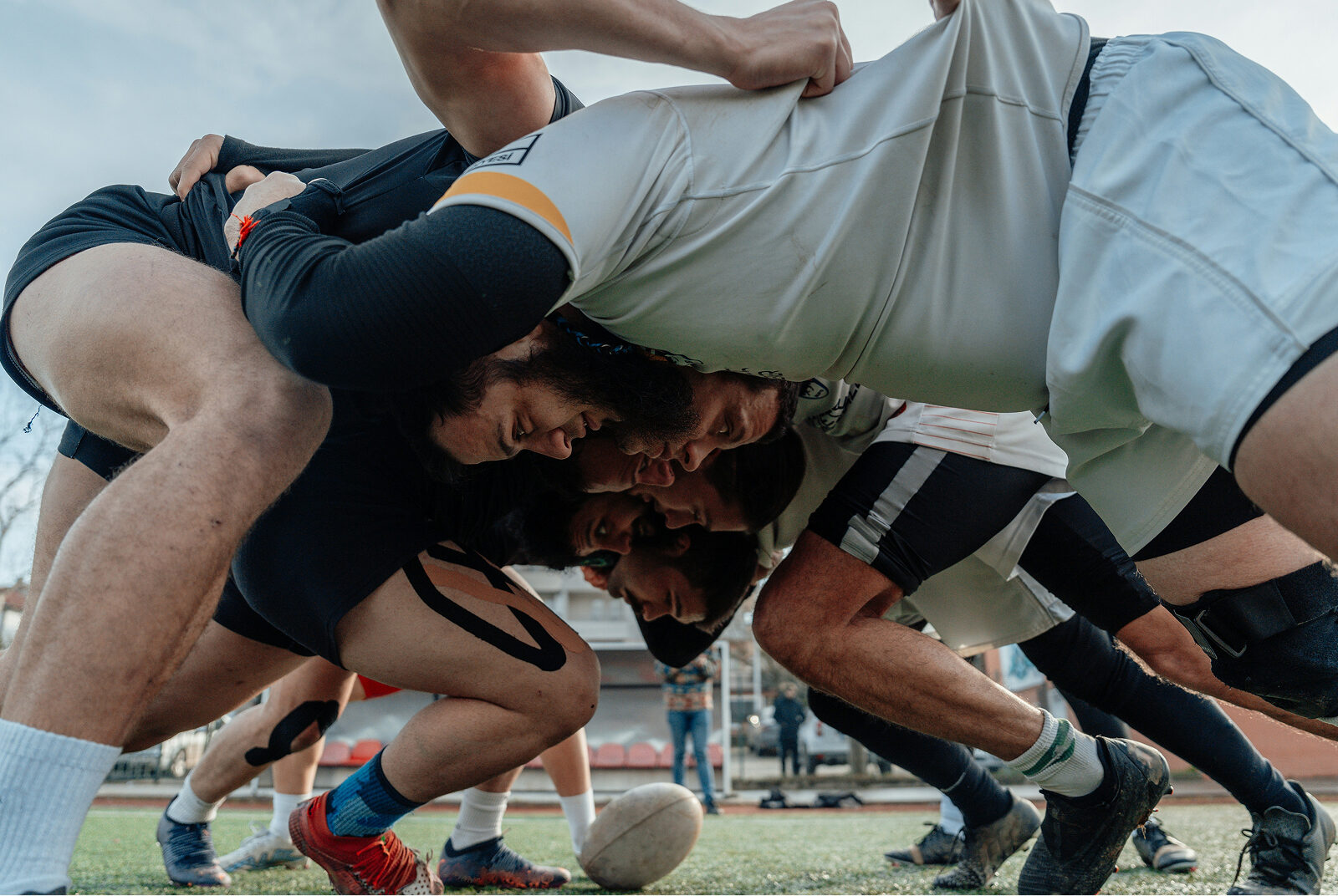
A concussion happens when a blow or jolt to the head or body transmits a sudden force to the brain. This causes the brain to move rapidly or shake inside the skull. That force can come from a hit to the head – or from a heavy blow to the body that makes your head whip back and forth. Light contact or a gentle bump usually isn’t enough to do this – the brain needs to be shaken with some force for concussion to happen.
Concussion in sports quick guide

The 5 Rs of sport concussion response
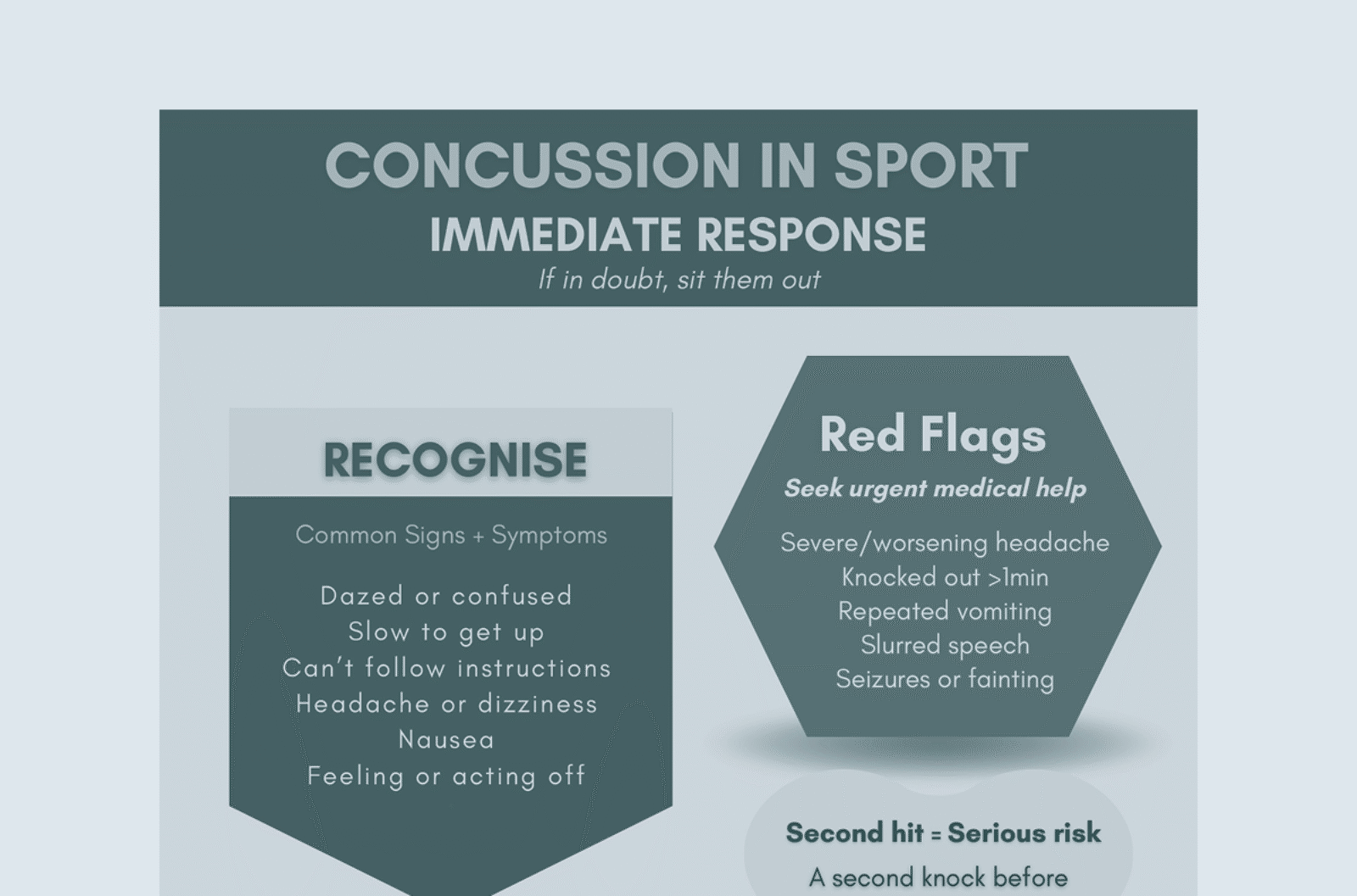
When in doubt, sit them out. Early action reduces risk and leads to better recovery.
-
01
Recognise
Common signs and symptoms: dazed or confused, slow to get up, can’t follow instructions, headache or dizziness, nausea feeling or acting off.
Learn more -
03
Refer
Your GP can confirm a concussion, give tailored recovery advice, and lodge an ACC claim so you can access funded support.
Learn more -
04
Recover
Prioritise rest and sleep. Keep screen time brief, take breaks often, and listen to your body.
Learn more -
05
Return
Prioritise rest and sleep. Keep screen time brief, take breaks often, and listen to your body.
Learn more
Recognise: Signs and symptoms
Not everyone experiences the same symptoms, and they may appear right away, hours or even days later.

Dazed or confused

Slow to get up

Can't follow instructions

Headache

Dizziness or imbalance

Nausea feeling
Dazed or confused
Slow to get up
Can't follow instructions
Headache
Dizziness or imbalance
Nausea feeling
Red flag warning signs
Seek urgent medical care (call 111 or go to A&E) if you notice:
- Loss of consciousness for more than 1 minute
- One pupil larger than the other
- Repeated vomiting, seizures, or severe headache
- Worsening confusion, drowsiness, or personality changes
- Clear fluid or blood from the nose or ears
- Slurred speech, weakness, or loss of coordination
- In children: inconsolable crying, refusal to feed, bulging soft spot (infants), or cannot be woken
Remove: If in doubt, sit them out
Why it matters
If someone has a suspected concussion, removing them from what they’re doing is one of the most important steps you can take to protect their brain. Whether it’s sport, work, school, or daily activities at home, stopping straight away gives the brain a chance to rest, prevents further harm, and reduces the risk of serious and long-term complications.
A second knock before full recovery can be very dangerous and may lead to brain swelling, permanent damage, or even death.
Removing someone from further risk also means they can be properly checked and either diagnosed or safely cleared. If a concussion is confirmed, they can get the right support, monitoring, and guidance for recovery.
Removing is not overreacting. It’s taking concussion seriously, keeping people safe, and giving the brain the best chance to heal well.
Refer: See a doctor
Why it matters
Recognising the signs and symptoms means there is a suspected concussion. Only a doctor can diagnose or clear a concussion, and they can provide important guidance and support for recovery. If in doubt, check it out.
Early assessment and treatment lead to better outcomes. It’s important to see a GP within 1–2 days, even if symptoms seem mild or the person feels “okay.”
If not enrolled with a doctor, contact a local medical centre, visit an A&E clinic, or call Healthline 0800 611 116 for advice. Unless urgent care is needed, a GP or medical centre is the best first step.
If there are RED FLAGS at any time, seek urgent medical care immediately – call 111 or go to A&E.
If symptoms don’t improve, worsen, or recovery feels off track, go back to the GP or doctor. They may refer to a specialist concussion service or other supports. A follow-up appointment around 7–10 days after the initial assessment is recommended to monitor recovery. If symptoms are persisting beyond this or significantly affecting daily life, the GP may refer to a FREE concussion service.
Recover
The best way to keep safe is to give your brain enough time to heal.
Day 1-2: Rest
Relative rest for 24-48 hours. Light activities around the house that do not provoke symptoms are OK. Minimise screen time. Walk around the house.

After Day 2: Gradually increase activity
Continued rest can slow down recovery. It is important to gradually introduce normal daily activities including aerobic exercise. Gradually increase the intensity and duration of your activity.
It is normal for symptoms to increase slightly as you do more. This is ok. Don’t be afraid of symptoms. At this stage, we need to challenge our brain to allow it to heal and this can be a bit uncomfortable.
Aerobic exercise plays an important part in the recovery process. Engage in exercise such as walking and jogging to help with recovery.
Return to sport
Take it slow and it is highly advised that you have medical clearance before returning.

From Day 14: Return to normal routine
From day 14 (at the earliest) you can return to normal work/study and sports training, if symptom free. If some symptoms are persisting, it’s important to take some more time to return.
IMPORTANT: No contact sport can happen at this time.

From Day 21: Return to full contact sport and competition
From Day 21 you can return to full contact sport and competition. While it’s not mandated, it is highly advised that you have medical clearance. Although it’s rare, a second head knock while your brain is healing can lead to additional swelling and make the injury more serious.
The good news is, most people will have a good outcome with the right care and support.
Important to know:
- Every player’s recovery is different
- Young players and those with past concussions may need more time to recover
- Medical clearance is strongly recommended before full return to sport and competition
- 90% of concussions do NOT involve a knock-out or a player being made unconscious
Sports concussion FAQ’s
Players
-
If you’ve taken a knock to the head or body and something feels off, speak up. Feeling dizzy, foggy, slow, or just not quite right could mean a concussion. You don’t have to be knocked out for it to be a concussion. Trust your gut. If something’s wrong, let your coach or whānau know straight away. Symptoms can also be delayed, so even if they come on later it’s important to speak up.
-
Stop sport immediately. Tell someone you trust. Don’t try to be tough or finish the game. It’s not worth it. The sooner you stop and rest, the sooner you’ll recover. Trying to push through puts your health at risk and can lead to symptoms that last a lot longer.
-
You can’t return to sport until at least day 14 of recovery and you must be symptom free. Start with light, non-contact activity and follow the return-to-play steps properly. This isn’t something to shortcut. Skipping stages or rushing back increases the risk of another more serious injury that can keep you off the field even longer.
-
Talk to your GP. Ongoing symptoms like headaches, tiredness, or mood changes need attention. It doesn’t mean something is seriously wrong, but it does mean you need more support. They may refer you to a FREE Concussion Service which is funded by ACC. Getting the right help early makes all the difference in getting back to sport, school, and feeling like yourself again.
Coaches
-
Take them off the field straight away. No exceptions. They should not return to the game or training that day. Let their whānau know what happened and encourage them to get a medical check as soon as possible.
Early removal leads to quicker recovery. Delaying even by a few minutes can increase the risk of longer-term symptoms and slower healing.
-
If in doubt, sit them out. You don’t have to know for sure – only a medical doctor can diagnose a concussion. Removing them from play doesn’t mean they have a concussion – it just means you’re putting their safety first until a professional checks them.
-
Playing on with a concussion can make recovery longer and increase the risk of a more serious injury. Research shows that a player who continues playing for 15 minutes after the impact is 12 times at risk of more severe symptoms and longer recovery that someone who was removed immediately.
The safest option is always to stop, get checked. If they are cleared by a doctor, they can return the next day. If they are diagnosed with a concussion, they will follow a gradual return-to-play plan before a full return to play.
-
Stay connected with the player and their whānau throughout recovery. Be flexible with training plans and find ways for them to stay involved — even if they’re not on the field.
Encourage safe, low-risk activities that keep them moving without the chance of another knock to the head. Aerobic exercise, gradually increasing in intensity as their symptoms reduce, can help the brain heal and keep fitness levels up for when they’re ready to return.
Always wait for medical clearance before returning to competition. Recovery works best when it’s gradual: start with light activity, then build up step by step. Rushing can slow healing or risk another injury, while a well-supported, patient return sets them up for a stronger, safer comeback.
Parents & whānau
-
A concussion doesn’t always look dramatic. A significant knock to the head or body can cause a concussion even if your child doesn’t get knocked unconscious.
Symptoms are important in recognising a suspected concussion. They might seem dazed, emotional, tired, or just not quite themselves. You might notice changes in mood, sleep, or concentration.
If something feels off, take it seriously. Catching it early gives your child the best shot at a smooth recovery. If in doubt, sit them out and go to your GP to check it out.
-
Book a doctor’s appointment as soon as possible. A proper check confirms if it’s a concussion and what to do next.
In the first 24 to 48 hours, help them rest – mentally and physically. Keep things calm. Avoid screens, loud noise, and busy environments. After a couple of days, they can start light activity, both mental and physical, that can gradually increase in intensity and duration. Follow the symptom scale. Always follow medical advice.
-
Most light bumps or knocks aren’t enough to cause a concussion – the brain needs a certain amount of force to move and cause injury. If they seem well, keep an eye on them. If you notice symptoms such as headache, dizziness, confusion, balance problems, or unusual behaviour, get them checked by your GP.
-
If it has been 14 days since the injury and they are symptom free, they can return to training – but they cannot return to competition and need to be careful. If they remain symptom free, they can return to competition on Day 21. While not mandatory, it’s also recommended that they receive medical approval to return to spot. Returning too soon can lead to worse symptoms or another concussion – which will be markedly worse than the first.
-
If your child is still struggling after two weeks with headaches, fatigue, mood swings, or trouble concentrating check in with your GP again. Ask if they can be referred to a FREE concussion service – funded by ACC. A concussion service will help guide the pacing of the recovery process and help with a graduated return to school and play.
They may need extra support at school or home. Getting help early reduces the risk of long-term issues and helps your tamariki get back to their best.
-
Most people recover fully from a single concussion with the right care. Problems are more likely if the brain is injured again before it has healed, which is why early rest and gradual return to work, school and play are so important.
I’m anxious about my child getting a concussion. Should I pull them from sport? It’s natural to feel worried, but sport and physical activity bring huge benefits for health, learning, and confidence. Concussions can happen in sport, but they can also happen in everyday life – at the playground, cycling, or even in the backyard. What matters most is knowing the signs, responding quickly, and following safe return-to-play guidelines. If you follow these guidelines, it’s likely your child will recover well.
-
It’s understandable to feel concerned if your child has had multiple concussions. There are several factors to consider, including how closely together the concussions occurred and how well your child recovered from each one.
It’s important to involve an expert whenever another concussion happens. Your doctor can refer your child to a FREE concussion clinic, especially if they’ve had multiple concussions. Ask for a referral if one isn’t offered – this service is funded by ACC.
Pay particular attention to the severity of symptoms and how your child’s brain is coping with further impacts. If you notice that symptoms are becoming more severe, lasting longer, or affecting daily life, this is a signal to seek professional assessment promptly.